


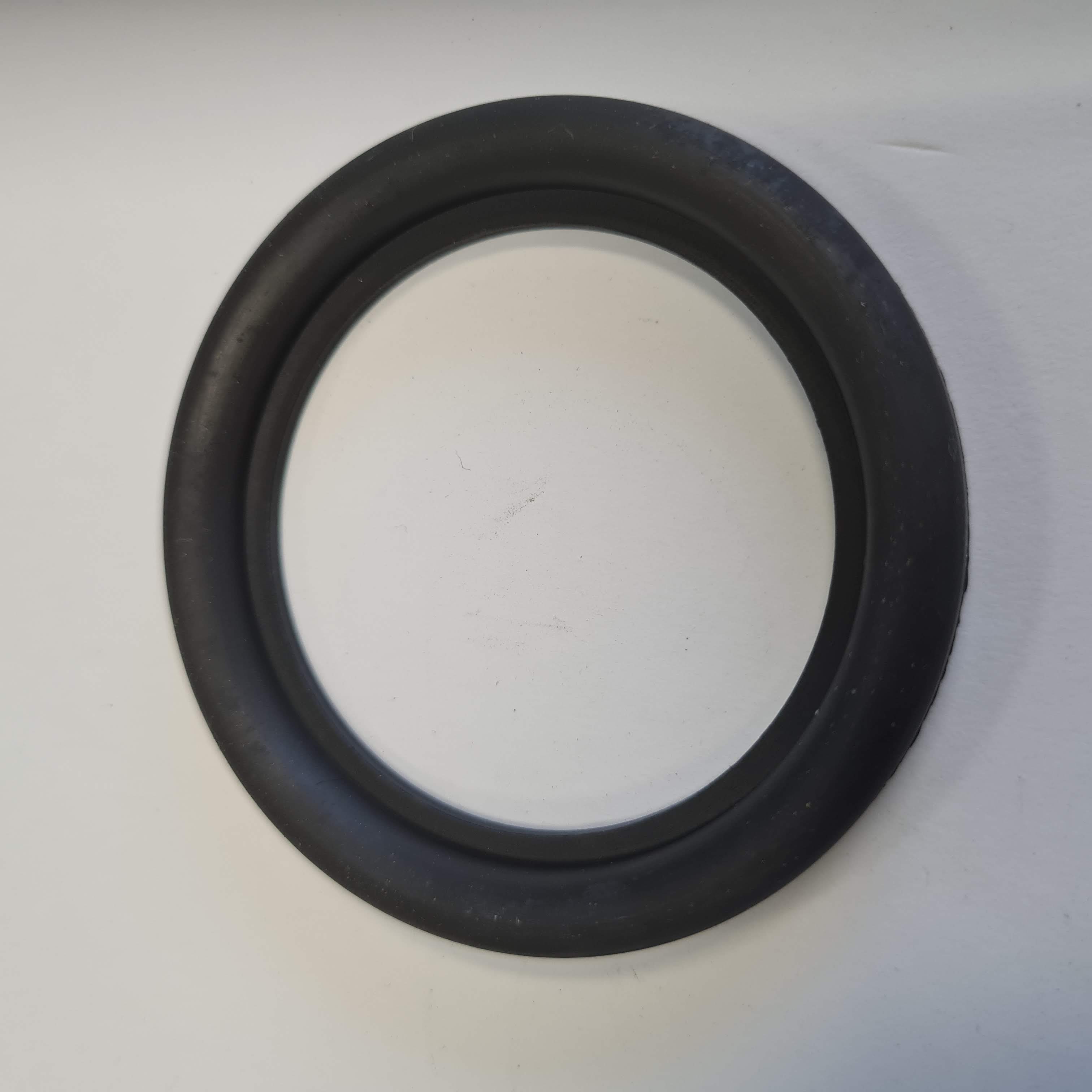


Inside a BSM Union
A standard BSM union comprises four components: a male piece that inserts into the tube end, a liner that seats the fitting, a nut in either hex or slotted profile, and a gasket that seals the joint on tightening. Inox Fittings also supplies blanks, caps, plugs and spanners to complete the BSM tube system.
BSM, SMS, DIN and Tri-Clamp Compared
BSM and RJT are the standard dairy and milk fittings used across Australia, the UK and New Zealand.
- SMS fittings are a Scandinavian standard commonly specified in beverage and food processing equipment.
- DIN union fittings follow the German metric standard and are common on European process plants.
- Tri clamp fittings use a ferrule-and-clamp system and are widely specified in pharmaceutical and biotechnology applications.
For flow control across any of these systems, see our hygienic valves range.
Source BSM Fittings from Inox Fittings Australia
Inox Fittings Australia supplies 316 stainless steel BSM fittings for dairy, food, beverage and pharmaceutical processing lines. Contact us to discuss your requirements or request a quote.
BSM Fittings FAQs
What does BSM stand for?
BSM stands for British Standard Milk. BSM fittings are a sanitary tube connection standard widely used in dairy, food and beverage processing across Australia, the UK and New Zealand.
What is the difference between RJT and CIP BSM fittings?
RJT fittings use a left-hand threaded nut and O-ring on a raised face and are the standard choice for most dairy and food lines. CIP flat face fittings use a flat gasket contact and are specified where full-bore flow and clean-in-place drainage are required.
Are BSM and SMS fittings interchangeable?
No. BSM and SMS fittings use different thread forms and connection geometry and cannot be mixed on the same connection without an adaptor.
What sizes do BSM fittings come in?
BSM fittings are available from 1/2 inch to 4 inch to suit standard dairy and food-grade tube ODs. Reach out to our team to confirm available sizes for your application.